
Newsletter
Join the Community
Subscribe to our newsletter for the latest news and updates
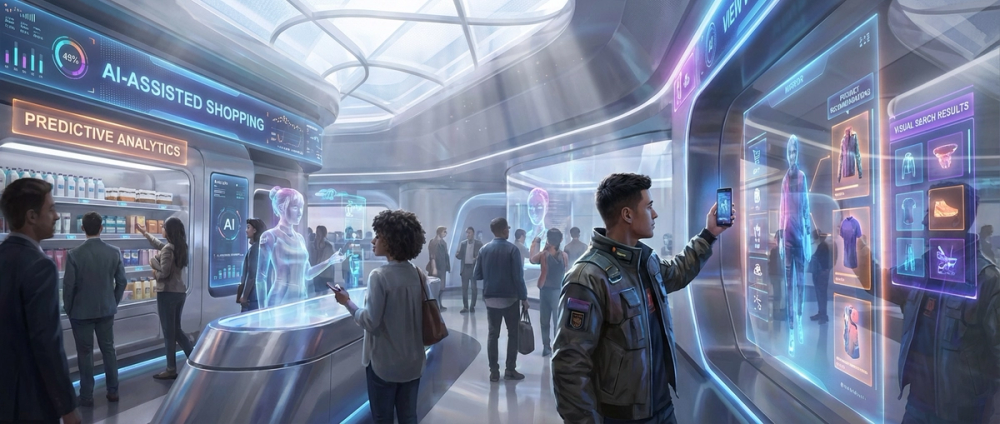
The age of passive shopping is over. From AI-powered virtual fitting rooms to autonomous marketing departments, explore the tools and trends turning eCommerce into a proactive growth engine.
2026/04/09
The landscape of eCommerce in 2026 has shifted from simple storefronts to highly personalized, agent-driven ecosystems. Major retailers like Zara and ASOS have already proven that generative AI virtual try-on tools can drastically slash return rates and boost profitability. However, the real revolution is the rise of "Agent-Native" commerce—a paradigm where AI agents don't just recommend products but proactively manage the entire customer journey.
At the heart of this shift is the transition from traditional SEO to Answer Engine Optimization (AEO). Tools like Sight AI are now essential for brands to ensure they are cited by AI answer engines like Perplexity and ChatGPT, which have become the primary entry points for product discovery. Visibility in 2026 isn't about being on page one of Google; it's about being the top-cited authority within an LLM's response.
Communication is also becoming "Agent-Native". Vapi.ai is enabling businesses to deploy low-latency voice agents that handle everything from customer support to complex booking logic, making the shopping experience seamless and interactive. Meanwhile, Mentions.so allows brands to monitor social conversations in real-time and engage with potential customers through AI-generated organic replies that feel human and helpful, rather than promotional.
Growth hackers are also leveraging niche-specific AI tools. Kleo has become the go-to platform for LinkedIn creators to maintain high-quality content resonance, while Leadmore AI provides the world's first safe marketing layer for Reddit, allowing brands to tap into deep communities without the risk of bans. For global expansion, Rask.ai enables one-click video translation into 60+ languages with voice cloning, effectively eliminating the language barrier for international merchants.
Even vertical sectors like healthcare are being transformed. Heidi Health is a prime example, using AI medical scribes to automate documentation, allowing clinicians to focus on patients while the "agentic" back-end handles the compliance and paperwork.
ToolsGazer Verdict:
As we move further into 2026, the successful eCommerce strategy will be built on these autonomous pillars—optimizing for discovery, automating engagement, and scaling with niche-focused agentic workflows. The winners won't be the ones with the best ads, but the ones whose products are most "discoverable" and "executable" by the agents people trust.