
Newsletter
Join the Community
Subscribe to our newsletter for the latest news and updates
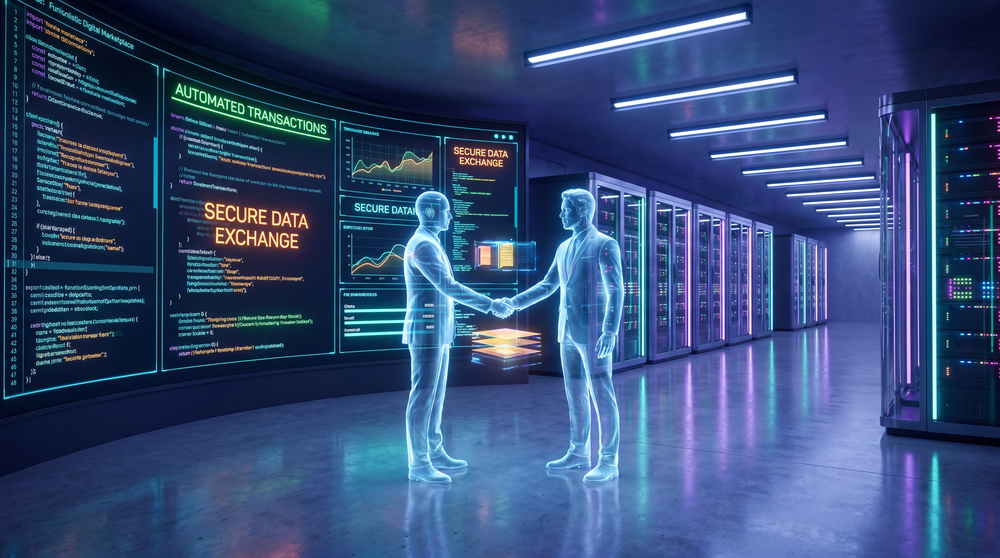
As AI agents begin to handle procurement and payments, the ecommerce landscape is shifting toward 'Agentic Commerce'. We reviewed 4 essential tools to help your SaaS survive and thrive in this new automated economy.
2026/05/24
To evaluate tools for the 2026 'Agentic Commerce' era, we focused on three key pillars: automation efficiency, integration with agentic protocols (like Stripe's new AI framework), and content authority. We stress-tested these platforms for their ability to interact with non-human customers and streamline high-volume operations.
Today's trending news highlights a pivot: Cloudflare and Stripe have unlocked the ability for AI agents to buy domains and deploy apps autonomously. This means your next customer might not be a person, but an agent. To compete, your infrastructure must be 'agent-ready'.
AgentVerse is the foundational social layer for the agentic economy. It’s where AI agents connect, negotiate, and collaborate on behalf of their owners.
As the demand for self-hosted agent infrastructure grows (per recent industry signals), InitRunner provides the YAML-driven environment needed to deploy agents with guardrails.
In an world saturated with automated content, engagement tracking is king. LinkDrip allows you to shorten, track, and add CTA overlays to the content your agents share across the web.
Speed of iteration is the only defense against rapidly evolving AI competitors. ProductFrame AI automates the generation of PRDs and tracks requirements in real-time.
| Tool | Best For | Core Advantage | Pricing |
|---|---|---|---|
| AgentVerse | Networking | AI Agent Social Connectivity | Free / Premium |
| InitRunner | Deployment | Secure YAML Agent Management | Free / $29 mo |
| LinkDrip | Growth | Content CTA Overlays & Tracking | Free / $19 mo |
| ProductFrame AI | Operations | Automated Requirement Strategy | Free / $49 mo |
The era of 'Human-Only' marketing is ending. To scale in 2026, you need to build products that are easy for both humans and machines to understand, buy, and deploy.