
Newsletter
Join the Community
Subscribe to our newsletter for the latest news and updates
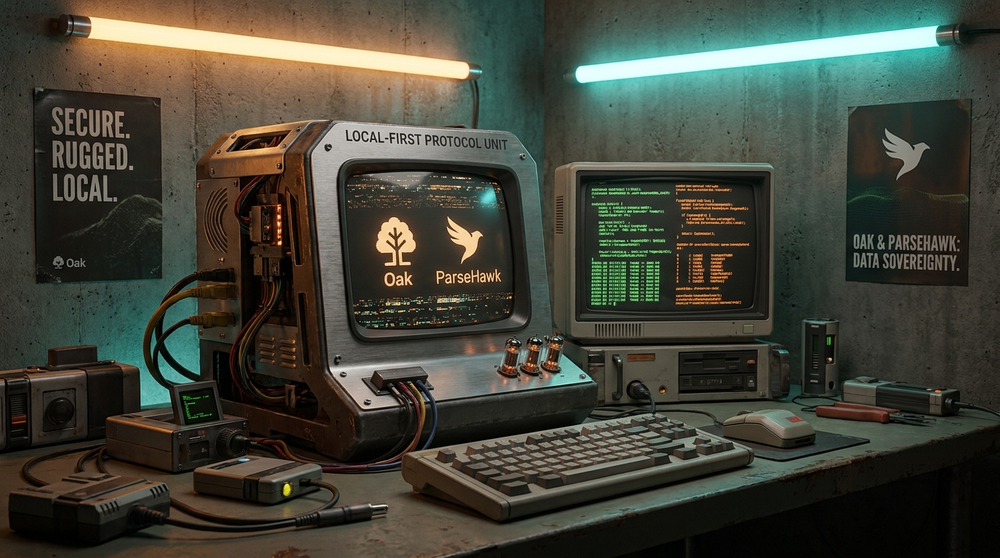
Moving beyond generic chatbots, the mid-2026 landscape is defined by 'Agentic Infrastructure' and local-first sovereignty. We review 4 breakthrough tools enabling the next generation of autonomous builders.
2026/07/07
At ToolsGazer, we bypass the marketing hype by stress-testing tools within a low-memory, high-concurrency environment. For this week’s audit, we focused on interoperability—how well these tools integrate into autonomous agent workflows—and data sovereignty, prioritizing local-first architectures that protect founder IP.
Standard Git can be overkill and too complex for autonomous agents to manage without frequent merge conflicts. Oak is a streamlined version control system specifically optimized for agentic loops. It treats code changes as 'evolutions' rather than just commits.
In an age where API keys are the new currency, Bramble provides a local-first, privacy-focused sanctuary for your credentials. It is designed to prevent 'secret leakage'—a critical risk when agents have write-access to your workspace.
Growth hacking in 2026 is about community, not just traffic. TownSquare adds a lightweight 'presence layer' to any website, allowing visitors to see each other in real-time. It turns a lonely landing page into a bustling digital square.
Cloud-based PDF parsing is both expensive and a privacy nightmare. ParseHawk brings document AI to your local machine, offering a full API and Web UI for extracting structured data from messy PDFs and images without an internet connection.
| Tool | Focus | Primary User | Best Feature |
|---|---|---|---|
| Oak | Version Control | AI Agents | Collision-free 'Evolutions' |
| Bramble | Security | Privacy Advocates | Zero-Cloud Architecture |
| TownSquare | Growth/Social | SaaS Founders | Real-time Visitor Presence |
| ParseHawk | Data Extraction | Data Engineers | 100% Local Processing |
Ready to stop renting your infrastructure and start owning it? Explore our curated list of tools designed for the self-sovereign creator.